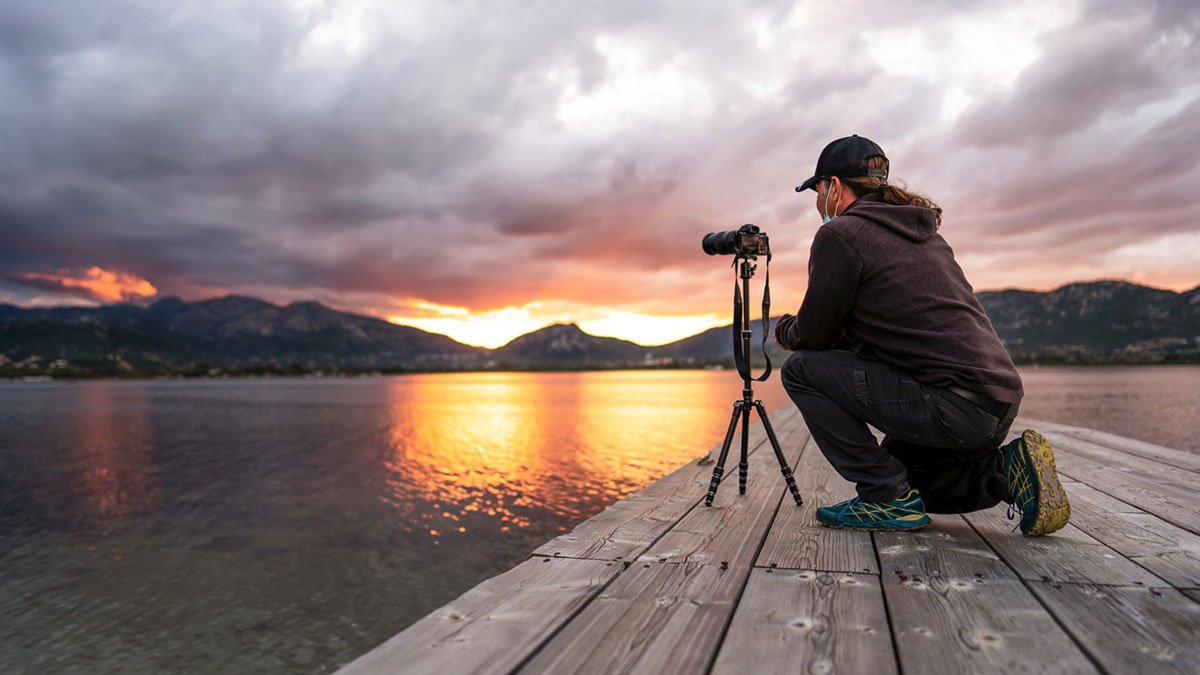

Coastal serenity found with a lucky wave and breathtaking ocean views
The allure of the ocean is timeless, a constant source of fascination and tranquility for humankind. Many seek solace and adventure along the coastline, hoping to witness its raw power and delicate beauty. Sometimes, that experience becomes exceptionally memorable with a lucky wave – a moment where the ocean seems to offer a gift, a perfect convergence of conditions that elevates a simple beach visit into something truly special. It’s a feeling of being connected to something larger than oneself, a fleeting instance of harmony with nature's rhythm.
This connection isn't merely aesthetic; it's deeply rooted in our history and psychology. Coastal regions have always served as vital hubs for trade, exploration, and cultural exchange. The rhythmic sounds of the waves are known to have a calming effect, reducing stress and promoting a sense of well-being. Whether it’s the thrill of a surfer riding a crest or the peaceful observation of the tide, the ocean beckons us to return again and again, hoping to capture that feeling of serenity and perhaps, experience the magic of a particularly fortunate encounter with the sea.
The Science Behind the Perfect Swell
Understanding what constitutes a truly remarkable wave requires a look at the underlying oceanography. Waves aren’t simply random occurrences; they are generated by a complex interplay of wind, distance, and the ocean floor. Wind, the primary driving force, transfers energy to the water's surface, creating ripples that evolve into larger swells as they travel across vast stretches of open ocean. The distance, known as the fetch, determines how much energy the wave accumulates. A longer fetch allows for the development of more powerful, consistent swells. However, it’s often the shape of the ocean floor – the bathymetry – that ultimately dictates how a wave breaks and the quality of the ride it provides. Reefs, sandbars, and underwater canyons can all dramatically alter wave behavior.
Wave height, period, and energy are all crucial factors. A longer period indicates a more powerful wave, as the energy is spread out over a greater amount of time. This is why surfers often seek out swells generated by distant storms, as these waves have travelled a long distance and become organized and powerful. The energy of a wave is proportional to the square of its height, meaning even a small increase in wave height can result in a significant increase in power. Recognizing these elements contributes to appreciating not only the visual spectacle but also the intricate physics at play.
| Wave Characteristic | Typical Range | Impact on Surf Quality |
|---|---|---|
| Wave Height | 0.5 – 30+ meters | Determines rideability and power. |
| Wave Period | 5 – 20+ seconds | Influences wave energy and length of ride. |
| Fetch | 100 – 1000+ kilometers | Determines wave size and consistency. |
| Bathymetry | Variable | Shapes wave break and defines surf spot type. |
Considering all these factors, a “lucky wave” might be defined as one that perfectly aligns with a surfer’s skill level, providing an optimal combination of size, shape, and power. But it’s not just about surfing. For a beachgoer, it could be the gentle, rolling wave that provides a cool respite from the summer heat, or the spectacular sight of a breaking wave illuminated by a setting sun.
The Cultural Significance of Ocean Waves
Throughout history, ocean waves have permeated human culture, symbolizing a range of concepts from creation and destruction to the unknown and the divine. In many ancient mythologies, the sea was considered the birthplace of life, with waves representing the primordial chaos from which all things emerged. For seafaring cultures, waves were both allies and adversaries, demanding respect and skillful navigation. Stories of mythical sea creatures and treacherous currents were passed down through generations, serving as cautionary tales and expressions of the ocean's untamed power. The imagery of waves frequently appears in art, literature, and music, reflecting their enduring impact on the human imagination. Think of the Romantic painters, captivated by the sublime grandeur of the sea, or the countless poems and songs that evoke the ocean’s mystery and majesty.
Even modern-day interpretations of the ocean continue to be profound. Coastal communities often rely on the ocean for their livelihoods, and the health of the marine environment is increasingly recognized as vital for global well-being. Wave energy is being explored as a renewable resource, offering a potential solution to our energy needs. There's a growing movement towards ocean conservation, driven by a desire to protect these fragile ecosystems and ensure that future generations can experience the wonder of the sea.
- Waves represent change and impermanence.
- They symbolize the power and unpredictability of nature.
- The ocean provides a source of inspiration for art and creativity.
- Coastal communities have a deep cultural connection to the sea.
- Waves are increasingly recognized as a potential source of renewable energy.
The experience of a lucky wave can tap into this deeper cultural resonance. It’s a reminder of our connection to the natural world and the enduring power of the ocean to inspire awe and reverence. It is a moment of pure, unfiltered experience.
Preparing for the Unexpected: Safety Around Waves
Enjoying the ocean and seeking out that perfect wave requires a healthy respect for its power. Waves, even seemingly small ones, can pose significant risks, particularly for those unfamiliar with ocean conditions. Rip currents, for example, are powerful channels of water flowing away from the shore, and they can quickly pull even strong swimmers out to sea. Learning to identify rip currents – often appearing as a darker, calmer patch of water – and knowing how to escape them (swimming parallel to the shore) is crucial for ocean safety. Similarly, understanding the potential for sneaker waves, unexpectedly large waves that can surge far up the beach, is essential, especially when exploring rocky coastlines. Always be aware of changing tides and weather conditions, as these can dramatically alter wave behavior.
Proper preparation involves more than just understanding the risks. It's about being physically fit, knowing your swimming abilities, and using appropriate safety gear. For surfers, this means wearing a leash, using a properly sized surfboard, and being aware of the local surf conditions and potential hazards like reefs or rocks. For beachgoers, it means swimming at lifeguarded beaches, never swimming alone, and paying attention to warning flags and signs. And crucially, it's about listening to the advice of local experts and respecting the ocean's power.
- Learn to identify rip currents and how to escape them.
- Be aware of the potential for sneaker waves.
- Check tide and weather conditions before entering the water.
- Swim at lifeguarded beaches whenever possible.
- Never swim alone.
Prioritizing safety doesn't diminish the enjoyment of the ocean; it enhances it. By being prepared and respectful, you can increase your chances of experiencing the thrill of a lucky wave and creating lasting memories.
Beyond Surfing: Appreciating Waves in Diverse Ways
While surfing is often the first activity that comes to mind when thinking about waves, there are countless other ways to appreciate their beauty and power. Photography offers a fantastic medium for capturing the dynamic energy of breaking waves, whether it's the spray of a crashing wave or the serene glow of the ocean at sunset. Coastal walks provide opportunities to observe waves interacting with the shoreline, sculpting the landscape over time. Birdwatching enthusiasts can observe seabirds riding the air currents created by waves, showcasing their remarkable flying skills. Even simply sitting on the beach, listening to the rhythmic sound of the waves, can be a profoundly relaxing and restorative experience.
Wave-based activities are also gaining popularity, such as stand-up paddleboarding, kayaking, and coasteering, which involves exploring the coastline by swimming, climbing, and traversing rocky terrain. These activities offer a unique perspective on the ocean and allow you to get closer to the waves in a safe and controlled environment. Furthermore, the study of waves plays a critical role in various scientific disciplines, from oceanography and coastal engineering to climate modeling and tsunami warning systems. Understanding wave behavior is essential for protecting coastal communities and managing marine resources.
The Future of Waves and Coastal Experiences
As our climate continues to change, the behavior of ocean waves is also evolving, presenting both challenges and opportunities. Rising sea levels and increased storm intensity are leading to more frequent and severe coastal erosion events, threatening coastal communities and ecosystems. However, advancements in coastal engineering and restoration techniques offer potential solutions for mitigating these impacts, such as the construction of artificial reefs and the implementation of nature-based coastal defenses. Furthermore, the development of wave energy technology holds promise for harnessing the ocean’s power as a clean and sustainable energy source.
Looking ahead, fostering a deeper understanding and appreciation of ocean waves is crucial for ensuring the long-term health of our coastal regions. This includes investing in research, promoting responsible tourism, and educating future generations about the importance of ocean conservation. Perhaps, with a greater awareness and a commitment to sustainability, more people will have the chance to experience the joy of witnessing a truly unforgettable, lucky wave – a testament to the enduring power and beauty of the ocean. A well-managed coastline ensures that these experiences continue for generations to come, fostering a deep and lasting connection to the marine world.