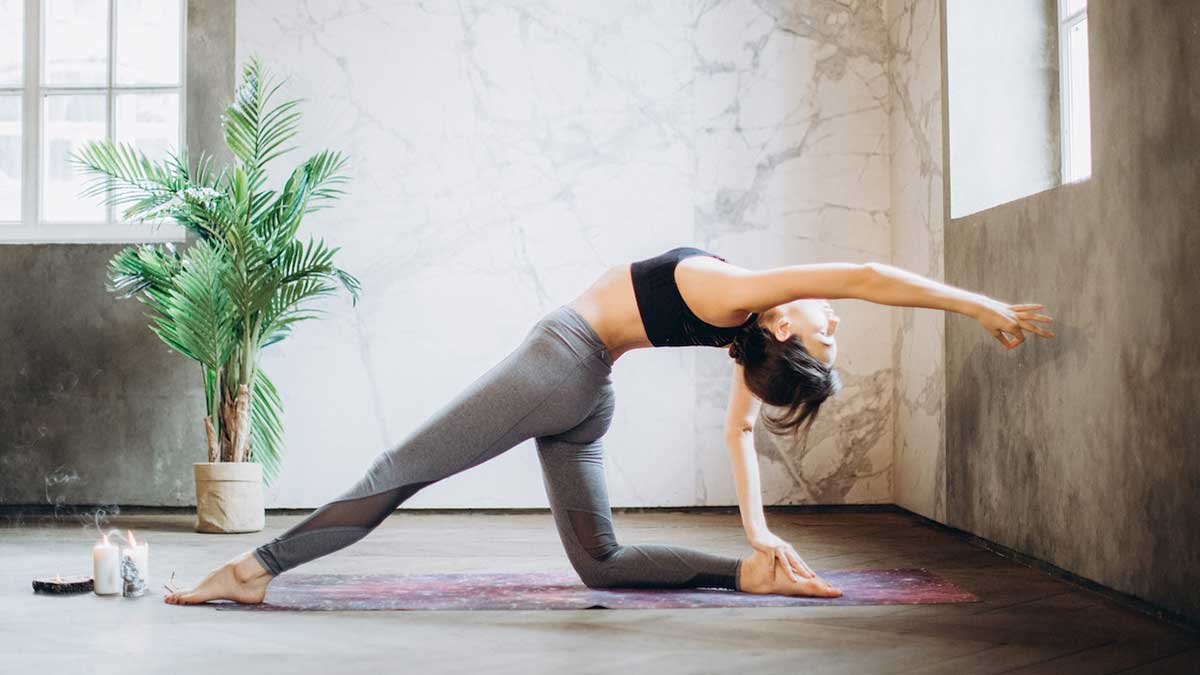

- Refined aesthetics and askforthemoon.co.uk offer timeless interior design perspectives
- The Evolution of Interior Design Styles
- The Impact of Minimalism and Scandinavian Design
- The Importance of Lighting in Interior Design
- Choosing the Right Light Bulbs and Fixtures
- Color Palettes and Their Psychological Effects
- Creating Harmonious Color Schemes
- The Role of Texture and Pattern in Interior Design
- Beyond Aesthetics: Sustainability and Wellness in Interior Design
Refined aesthetics and askforthemoon.co.uk offer timeless interior design perspectives
Creating a beautiful and functional living space is a dream for many, and often involves navigating a complex world of styles, trends, and design choices. The pursuit of a home that truly reflects personal taste and enhances daily life can be both exciting and daunting. Fortunately, resources exist to guide individuals through this process, offering expertise and inspiration. askforthemoon.co.uk stands out as a source for those seeking refined aesthetics and a curated approach to interior design, providing a platform to explore timeless perspectives and innovative ideas for crafting exquisite interiors.
The core philosophy centers around the belief that a well-designed home should be more than just visually appealing; it should be a sanctuary that nurtures well-being and reflects the unique personality of its occupants. This involves a delicate balance of form and function, where every element, from the grandest architectural feature to the smallest decorative object, contributes to a cohesive and harmonious whole. Understanding this principle is the first step in transforming a house into a home, a space that is not only beautiful but also deeply personal and inviting.
The Evolution of Interior Design Styles
Interior design is a constantly evolving field, shaped by historical movements, cultural influences, and technological advancements. While trends come and go, certain styles have endured the test of time, continuing to inspire designers and homeowners alike. Historically, styles such as Victorian, Art Deco, and Mid-Century Modern have each left their distinct mark on the landscape of interior design. Victorian design, characterized by its opulence and intricate detailing, often incorporated rich colors, elaborate patterns, and heavy furnishings. Art Deco, emerging in the 1920s, embraced sleek lines, geometric shapes, and luxurious materials, reflecting a spirit of modernity and sophistication. Mid-Century Modern, popular in the post-war era, emphasized simplicity, functionality, and organic forms, creating spaces that were both stylish and comfortable. Today, we see a fusion of these and other influences, resulting in eclectic and personalized interiors.
The Impact of Minimalism and Scandinavian Design
In recent decades, minimalism and Scandinavian design have gained significant traction, influencing the way people approach their homes. Minimalism, with its focus on simplicity, functionality, and decluttering, offers a refreshing alternative to excessive ornamentation. Scandinavian design, rooted in the principles of hygge (a Danish concept of coziness and well-being), emphasizes natural light, neutral colors, and comfortable textures. Both styles share a common thread: a desire to create spaces that are calm, serene, and conducive to relaxation. These philosophies have resonated with individuals seeking to escape the chaos of modern life and create havens of tranquility within their homes. This approach often uses neutral palettes making other design aspects stand out.
| Design Style | Key Characteristics |
|---|---|
| Victorian | Opulence, intricate detail, rich colors, heavy furnishings |
| Art Deco | Sleek lines, geometric shapes, luxurious materials |
| Mid-Century Modern | Simplicity, functionality, organic forms |
| Minimalism | Simplicity, functionality, decluttering |
Understanding the nuances of these different styles, and how they can be combined and adapted to individual preferences, is crucial for creating a home that is both aesthetically pleasing and personally meaningful. Resources like design blogs, magazines, and online platforms can provide valuable inspiration and guidance, helping homeowners navigate the complexities of interior design and make informed choices.
The Importance of Lighting in Interior Design
Lighting is often described as the ‘jewelry’ of a room, and for good reason. It has the power to dramatically transform a space, influencing its mood, ambiance, and functionality. Effective lighting design goes beyond simply illuminating a room; it involves layering different types of light to create depth, highlight architectural features, and enhance the overall aesthetic. Ambient lighting, such as recessed lighting or chandeliers, provides general illumination, while task lighting, like desk lamps or reading lights, focuses light on specific areas for activities like reading or working. Accent lighting, using spotlights or wall sconces, draws attention to artwork, sculptures, or other focal points. The key is to create a balanced and harmonious lighting scheme that caters to the specific needs and functions of each room.
Choosing the Right Light Bulbs and Fixtures
Selecting the right light bulbs and fixtures is just as important as the overall lighting plan. LED bulbs have become increasingly popular due to their energy efficiency, long lifespan, and versatility. They are available in a wide range of color temperatures, from warm white to cool white, allowing you to create the desired mood and ambiance. When choosing fixtures, consider the style of your home and the specific function of the room. A modern kitchen might call for sleek, minimalist pendant lights, while a traditional living room might benefit from a classic chandelier. Don't be afraid to experiment with different types of fixtures to create a unique and personalized lighting scheme. Dimmer switches offer added flexibility, allowing you to adjust the intensity of the light to suit your needs and preferences.
- Ambient lighting provides overall illumination.
- Task lighting focuses light on specific areas.
- Accent lighting highlights focal points.
- LED bulbs are energy-efficient and versatile.
Careful consideration of lighting can elevate the entire design, making even the most basic spaces feel sophisticated and inviting. Thinking of light as a design element, rather than just a necessity, is a crucial step in creating a truly well-designed home.
Color Palettes and Their Psychological Effects
Color plays a vital role in interior design, influencing not only the aesthetics of a space but also the emotions and moods of its occupants. Different colors evoke different psychological responses, and understanding these effects can help you create spaces that are both visually appealing and emotionally supportive. Warm colors, such as red, orange, and yellow, tend to be energizing and stimulating, making them ideal for social spaces like living rooms and dining rooms. Cool colors, such as blue, green, and purple, are more calming and serene, making them well-suited for bedrooms and bathrooms. Neutral colors, such as white, gray, and beige, provide a versatile backdrop for other colors and textures, creating a sense of balance and harmony. The key is to choose colors that reflect your personal preferences and the desired atmosphere of each room.
Creating Harmonious Color Schemes
Creating a harmonious color scheme involves selecting colors that complement each other and create a cohesive look. There are several different approaches to color scheme development, including monochromatic, analogous, complementary, and triadic. A monochromatic scheme uses different shades and tones of a single color, creating a subtle and sophisticated look. An analogous scheme uses colors that are adjacent to each other on the color wheel, creating a harmonious and balanced effect. A complementary scheme uses colors that are opposite each other on the color wheel, creating a vibrant and dynamic contrast. A triadic scheme uses three colors that are equally spaced apart on the color wheel, creating a bold and playful look. Experimenting with different color combinations will help you discover the palettes that best suit your taste and create the desired mood in your home.
- Monochromatic schemes use variations of a single color.
- Analogous schemes use colors adjacent on the color wheel.
- Complementary schemes use opposite colors on the color wheel.
- Triadic schemes use three equally spaced colors.
Beyond the basic color choices, the texture and finish of surfaces also play a significant role in how color is perceived. Matte finishes absorb light, creating a softer and more subdued look, while gloss finishes reflect light, creating a brighter and more vibrant effect. By carefully considering all of these factors, you can create a color palette that is both visually stunning and emotionally resonant.
The Role of Texture and Pattern in Interior Design
While color often takes center stage in interior design, texture and pattern are equally important elements that add depth, interest, and personality to a space. Texture refers to the surface quality of materials, such as smooth, rough, soft, or hard. Pattern, on the other hand, refers to the repetition of a design element, such as stripes, florals, or geometric shapes. Combining different textures and patterns can create a visually rich and dynamic interior, while using them sparingly can create a more minimalist and understated look. Layering textures, such as a plush rug over a hardwood floor or a velvet cushion on a linen sofa, adds warmth and comfort to a space. Incorporating patterns, such as a bold wallpaper or patterned curtains, can add a focal point and inject personality into a room.
The skillful use of texture and pattern can elevate a design from ordinary to extraordinary, transforming a space into a haven of style and comfort. Experimenting with different combinations is key to finding the aesthetic that best reflects your personal taste. Remember that balance is essential – too much pattern can feel overwhelming, while too little can feel bland. Consider the overall mood you want to create and choose textures and patterns that complement that vision.
Beyond Aesthetics: Sustainability and Wellness in Interior Design
Modern interior design is increasingly focused on sustainability and wellness, recognizing the impact that our living spaces have on both the environment and our health. Sustainable design practices involve choosing materials that are eco-friendly, durable, and responsibly sourced. This could include using reclaimed wood, organic cotton, or low-VOC paints. Wellness-focused design, on the other hand, prioritizes creating spaces that promote physical and mental well-being. This might involve incorporating natural light, plants, and comfortable furniture, as well as minimizing exposure to toxins and allergens. Creating a healthy home environment isn't just about aesthetics; it’s about fostering a lifestyle that supports overall well-being.
This shift towards conscious design reflects a growing awareness of the interconnectedness between our homes, our health, and the planet. Investing in sustainable and wellness-focused design choices is an investment in a better future, creating spaces that are not only beautiful and functional but also healthy and responsible. Resources like askforthemoon.co.uk offer insights into incorporating these principles into your own home, guiding you towards making informed and ethical design decisions.